MM74HC373N Accessories highlighting the core functional technology articles and application development cases of Accessories that are effective.

author Time 2025-05-10 12:54:05 11

MM74HC373N Accessories: Core Functional Technology and Application Development Cases

The MM74HC373N is a high-speed CMOS octal transparent latch that serves as a fundamental building block in digital electronics. Its ability to temporarily hold data makes it invaluable in various applications, from microcontroller interfacing to data buffering. Below, we delve into its core functionalities, practical applications, and resources for further exploration.

Core Functional Technology

1. Transparent Latch Functionality
2. High-Speed Operation
3. Data Storage
4. Bus Interface
5. Voltage Compatibility
1. Microcontroller Interfacing
2. Data Buffering in Communication Systems
3. LED Matrix Control
4. State Machines
5. Shift Register Applications
1. Datasheet and Technical Documentation
2. Application Notes
3. Online Tutorials and Guides
4. Community Projects
5. Simulation Software

Application Development Cases

Articles and Resources

Conclusion
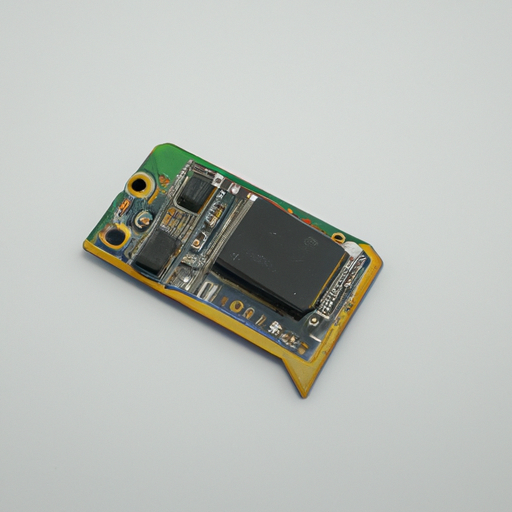
MM74HC373N Accessories highlighting the core functional technology articles and application development cases of Accessories that are effective.

The MM74HC373N is a versatile and essential component in digital electronics, offering capabilities that enhance data handling and processing in various applications. Its transparent latch functionality, high-speed operation, and compatibility with a wide range of voltages make it a go-to choice for engineers. By exploring its core functionalities, application cases, and available resources, designers can effectively leverage the MM74HC373N in their projects, driving innovation in digital circuit design.

Article
Lastest
application development in Proximity/Occupancy Sensors Finished Units for CFR-50JB-52-16K: key technologies and success stories
Application Development in Proximity/Occupancy Sensors for CFR-50JB-52-16K: Key Technologies and Success StoriesDeveloping applications for proximity and occupancy sensors, particularly in finished units like CFR-50JB-52-16K, involves leveraging various key technologies and methodologies. Here’s an overview of the key technologies involved and some success stories that illustrate their application. Key Technologies1. Sensor Technology2. Wireless Communication3. Data Processing and Analytics4. Machine Learning and AI5. Integration with IoT Platforms6. User Interfaces1. Smart Buildings2. Retail Environments3. Smart Homes4. Healthcare Facilities5. Public Spaces Success Stories ConclusionThe development of applications for proximity and occupancy sensors in finished units like CFR-50JB-52-16K is driven by advancements in sensor technology, data analytics, and IoT integration. Success stories across various sectors demonstrate the potential for these technologies to enhance efficiency, reduce costs, and improve user experiences. As the technology continues to evolve, further innovations and applications are likely to emerge, making environments smarter and more responsive to user needs. The ongoing integration of machine learning and AI will further enhance the capabilities of these systems, paving the way for more intelligent and adaptive solutions in the future.
CFR-50JB-52-16R Photoelectric, Industrial highlighting the core functional technology articles and application development cases of Photoelectric, Industrial that are effective.
Overview of CFR-50JB-52-16R Photoelectric SensorThe CFR-50JB-52-16R is a specific model of photoelectric sensor designed for industrial applications, showcasing advanced features that enhance its functionality in automation and control systems. This sensor operates on the principles of non-contact detection, making it an essential component in various industrial processes. Core Functional Technologies1. Detection Principles2. Output Types3. Environmental Resistance4. Adjustable Sensitivity5. Communication Protocols1. Automated Packaging Lines2. Material Handling3. Quality Control4. Safety Applications5. Sorting Systems6. Automated Door Systems Application Development Cases ConclusionThe CFR-50JB-52-16R photoelectric sensor exemplifies the critical role of photoelectric technology in modern industrial automation. By leveraging various detection principles, output types, and robust environmental resistance, this sensor enhances operational efficiency, safety, and quality control across diverse applications. As industries increasingly adopt automation and smart technologies, the demand for effective photoelectric sensors like the CFR-50JB-52-16R will continue to grow, driving further innovation and application development in this vital field.
application development in Specialized Sensors for CFR-25JB-52-160R: key technologies and success stories
Application Development in Specialized Sensors for CFR-25JB-52-160R: Key Technologies and Success StoriesDeveloping applications for specialized sensors such as the CFR-25JB-52-160R involves leveraging cutting-edge technologies and methodologies tailored to meet specific industry needs. These sensors find applications across various sectors, including aerospace, automotive, and industrial automation. Below, we explore key technologies and notable success stories that highlight the impact of these specialized sensors. Key Technologies1. Microelectromechanical Systems (MEMS):2. Wireless Sensor Networks (WSN):3. Internet of Things (IoT):4. Data Analytics and Machine Learning:5. Embedded Systems:6. Signal Processing:7. Calibration and Testing Technologies:1. Aerospace Monitoring:2. Automotive Applications:3. Industrial Automation:4. Smart Agriculture:5. Environmental Monitoring: Success Stories ConclusionThe development of applications for specialized sensors like the CFR-25JB-52-160R harnesses a variety of advanced technologies, including MEMS, IoT, and machine learning. The success stories across diverse industries illustrate the transformative impact of these sensors on safety, efficiency, and performance. As technology continues to advance, the potential applications for specialized sensors will expand, driving innovation and enhancing outcomes across numerous fields. The ongoing evolution of sensor technology promises to unlock new possibilities, further integrating these devices into the fabric of modern industry and daily life.
CFR-25JB-52-160K Sensor, Capacitive Touch highlighting the core functional technology articles and application development cases of Sensor, Capacitive Touch that are effective.
Core Functional Technology Articles1. Principles of Capacitive Touch Sensing2. Types of Capacitive Touch Sensors3. Touch Sensor Design Considerations4. Signal Processing Techniques5. Integration with Microcontrollers1. Consumer Electronics2. Home Automation3. Automotive Applications4. Industrial Control Panels5. Healthcare Devices Application Development Cases ConclusionCapacitive touch sensors, exemplified by the CFR-25JB-52-160K, are integral components across diverse industries, enhancing user interfaces and enabling innovative applications. By understanding the underlying technology and examining successful application cases, developers can effectively leverage capacitive touch technology to create intuitive and responsive products. This knowledge not only aids in the design and implementation of touch interfaces but also fosters innovation in user experience across various sectors.
86-0755-82705566