What are the Advantages of Automotive Capacitor Products?
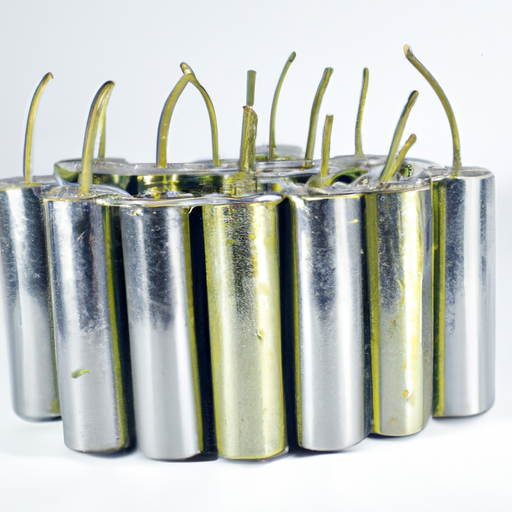
I. Introduction
In the rapidly evolving automotive industry, the role of electronic components has become increasingly significant. Among these components, automotive capacitors play a crucial role in ensuring the efficiency and reliability of various systems within vehicles. Capacitors are passive electronic components that store and release electrical energy, making them essential for a wide range of applications in modern automobiles. This blog post will explore the advantages of automotive capacitor products, highlighting their importance in enhancing vehicle performance, reliability, and sustainability.
II. Types of Automotive Capacitors
Automotive capacitors come in various types, each designed to meet specific requirements in automotive applications. Understanding these types is essential for recognizing their advantages:
A. Electrolytic Capacitors
Electrolytic capacitors are widely used in automotive applications due to their high capacitance values and ability to handle significant voltage levels. They are often found in power supply circuits and energy storage systems.
B. Ceramic Capacitors
Ceramic capacitors are known for their small size and high-frequency performance. They are commonly used in applications requiring stability and reliability, such as in engine control units and sensor circuits.
C. Film Capacitors
Film capacitors offer excellent stability and low loss characteristics, making them suitable for high-frequency applications. They are often used in power electronics and audio systems within vehicles.
D. Tantalum Capacitors
Tantalum capacitors are known for their high capacitance-to-volume ratio and reliability. They are often used in compact electronic devices, including infotainment systems and advanced driver-assistance systems (ADAS).
E. Supercapacitors
Supercapacitors, or ultracapacitors, provide high energy storage capacity and rapid charge/discharge capabilities. They are increasingly used in hybrid and electric vehicles for energy recovery and storage applications.
III. Key Advantages of Automotive Capacitor Products
Automotive capacitors offer several key advantages that contribute to the overall performance and efficiency of vehicles. Here are some of the most significant benefits:
A. Enhanced Performance
1. **Improved Energy Storage and Delivery**: Automotive capacitors can store and release energy quickly, which is essential for applications like regenerative braking in electric and hybrid vehicles. This capability enhances overall energy efficiency and performance.
2. **Faster Response Times**: Capacitors can respond to changes in voltage and current almost instantaneously, making them ideal for applications that require quick adjustments, such as in safety systems and electronic control units.
3. **High-Frequency Performance**: Many automotive applications operate at high frequencies, and capacitors, particularly ceramic and film types, excel in these environments. This performance is crucial for maintaining signal integrity in infotainment and communication systems.
B. Reliability and Durability
1. **Resistance to Temperature Fluctuations**: Automotive environments can experience extreme temperature variations. Capacitors designed for automotive use are built to withstand these fluctuations, ensuring consistent performance.
2. **Long Lifespan and Low Failure Rates**: High-quality automotive capacitors are engineered for longevity, reducing the likelihood of failure and the need for replacements. This reliability is critical for safety systems and other essential vehicle functions.
3. **Robustness Against Vibrations and Shocks**: Vehicles are subject to constant vibrations and shocks. Automotive capacitors are designed to endure these conditions, ensuring they remain functional even in challenging environments.
C. Compact Size and Lightweight Design
1. **Space-Saving Benefits in Automotive Design**: As vehicles become more compact and feature-rich, the need for space-saving components is paramount. Automotive capacitors, especially ceramic and tantalum types, offer high capacitance in a small footprint, allowing for more efficient use of space.
2. **Contribution to Overall Vehicle Weight Reduction**: Lightweight components contribute to improved fuel efficiency and performance. Automotive capacitors help reduce the overall weight of vehicles, which is particularly important in electric and hybrid models.
D. Cost-Effectiveness
1. **Lower Maintenance Costs**: The reliability and longevity of automotive capacitors translate to lower maintenance costs for vehicle owners. Fewer replacements and repairs mean reduced overall expenses.
2. **Reduced Need for Additional Components**: Capacitors can often replace or reduce the need for other components in a circuit, simplifying designs and lowering manufacturing costs.
E. Environmental Benefits
1. **Energy Efficiency and Reduced Emissions**: By improving energy storage and delivery, automotive capacitors contribute to the overall energy efficiency of vehicles, leading to reduced emissions and a smaller carbon footprint.
2. **Recyclability of Materials**: Many automotive capacitors are made from materials that can be recycled, aligning with the automotive industry's push towards sustainability and environmentally friendly practices.
IV. Applications of Automotive Capacitors
Automotive capacitors are utilized in a wide range of applications, each benefiting from the unique advantages these components offer:
A. Power Supply Systems
Capacitors are essential in power supply systems, providing stable voltage and current to various electronic components within the vehicle.
B. Electric and Hybrid Vehicles
In electric and hybrid vehicles, capacitors play a critical role in energy storage and management, enabling efficient operation and regenerative braking.
C. Infotainment and Navigation Systems
Capacitors ensure stable power delivery and signal integrity in infotainment and navigation systems, enhancing user experience and functionality.
D. Safety Systems
Automotive safety systems, such as airbags and anti-lock braking systems, rely on capacitors for quick response times and reliable operation, ensuring passenger safety.
E. Electric Power Steering and Other Electronic Control Units
Capacitors are integral to the functioning of electric power steering and various electronic control units, contributing to improved vehicle handling and performance.
V. Challenges and Considerations
While automotive capacitors offer numerous advantages, there are challenges and considerations to keep in mind:
A. Selection Criteria for Automotive Capacitors
Choosing the right capacitor for a specific application requires careful consideration of factors such as capacitance, voltage rating, temperature range, and size. Engineers must evaluate these criteria to ensure optimal performance.
B. Potential Limitations and Drawbacks
Some capacitor types may have limitations, such as lower capacitance values or sensitivity to temperature changes. Understanding these limitations is crucial for effective design and application.
C. Future Trends in Automotive Capacitor Technology
As the automotive industry continues to evolve, advancements in capacitor technology are expected. Innovations such as improved materials, enhanced energy density, and integration with other electronic components will shape the future of automotive capacitors.
VI. Conclusion
In summary, automotive capacitors are vital components that enhance the performance, reliability, and sustainability of modern vehicles. Their various types, including electrolytic, ceramic, film, tantalum, and supercapacitors, each offer unique advantages that cater to specific automotive applications. As the industry moves towards more electric and hybrid vehicles, the importance of capacitors will only continue to grow.
Choosing the right automotive capacitor products is essential for ensuring optimal performance and longevity in vehicle systems. As technology advances, the role of capacitors in automotive applications will become even more critical, paving the way for a more efficient and environmentally friendly automotive future.
VII. References
1. Academic journals and articles on capacitor technology and automotive applications.
2. Industry reports and white papers discussing trends in automotive electronics.
3. Manufacturer specifications and product datasheets for various types of automotive capacitors.
This comprehensive overview of automotive capacitors highlights their advantages and applications, providing valuable insights for automotive engineers, manufacturers, and enthusiasts alike.


